SSCD IIT Kanpur · Basic Analog Building Blocks · 795 videos
Uploads from SSCD IIT Kanpur
Original playlist on YouTube arrow_outwardVideos in this playlist


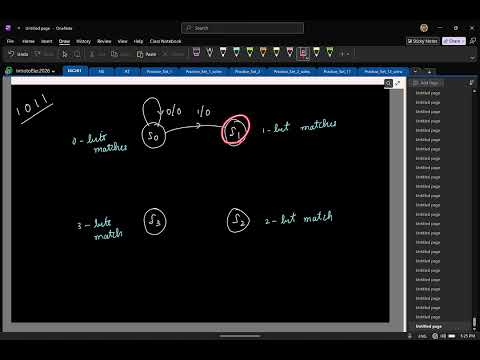
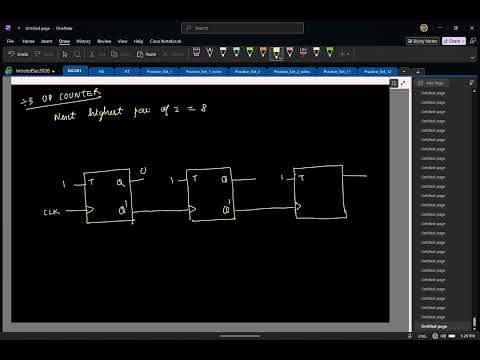


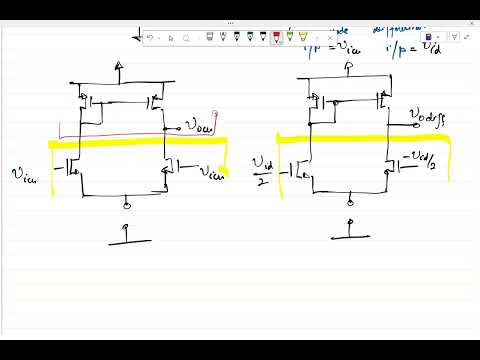


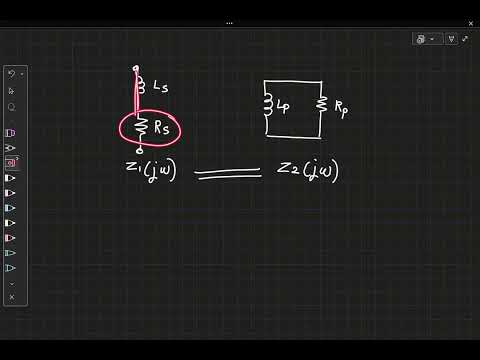


Lec 33: Finite state machine (FSM) Analyzing an FSM: state transition table & state transition graph


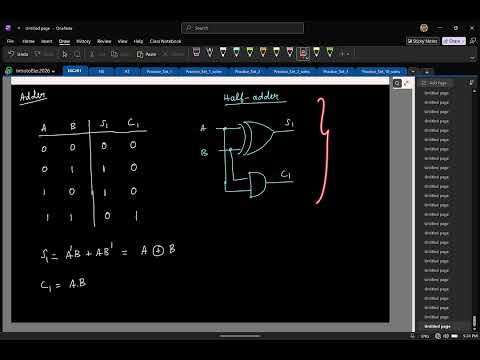

Lec 29: Mux (recap); Decoders for realizing logic function; Building a ROM using decoders & OR gates




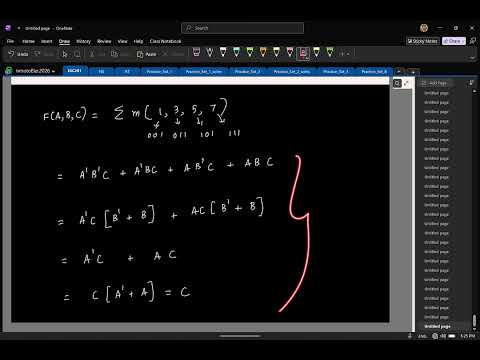


Lec 22: Positional number systems: Binary, Octal, Hexadecimal; Noise tolerance in binary digital sig


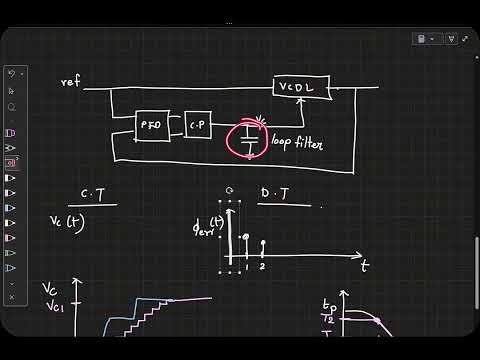


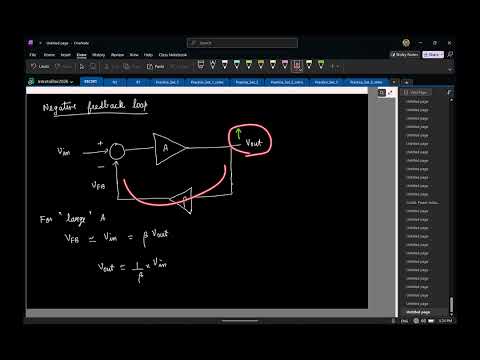




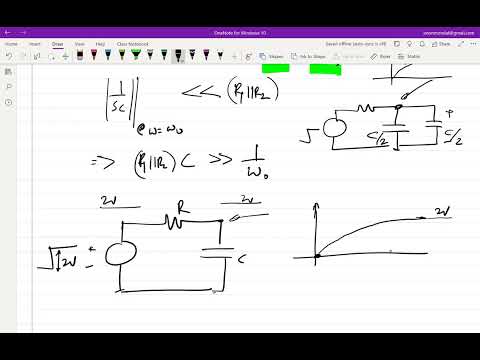
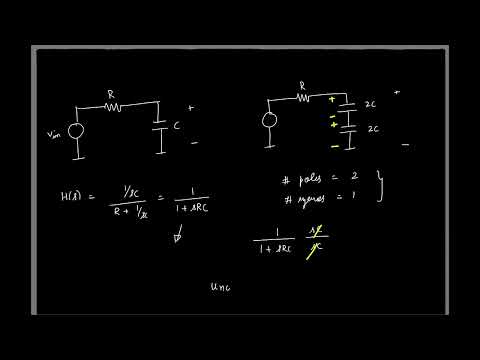
Lec 10: RC circuits with two capacitors: Finding initial value, final value, time constant: examples


Lec 5: Current division; Voltage/current sources in series & parallel; Introducing dependent sources


Lec 1: Why electronics? Defining energy, power; voltage & current sources; active vs passive devices






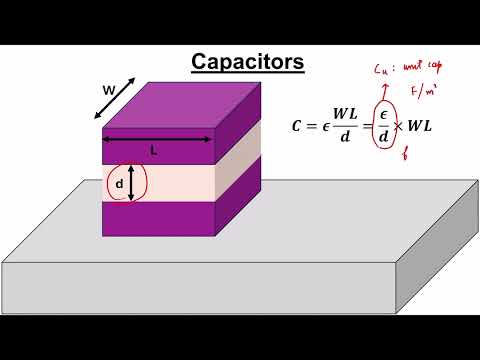

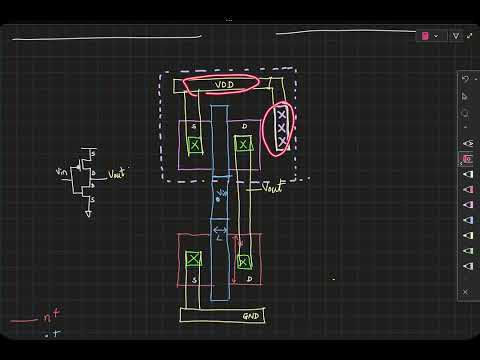

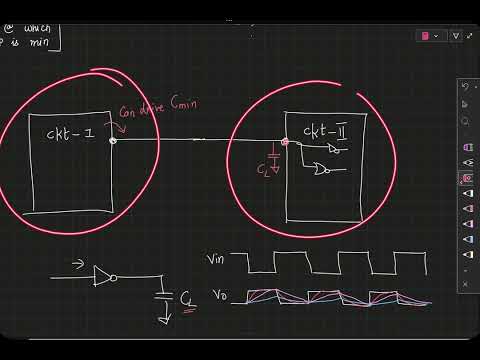


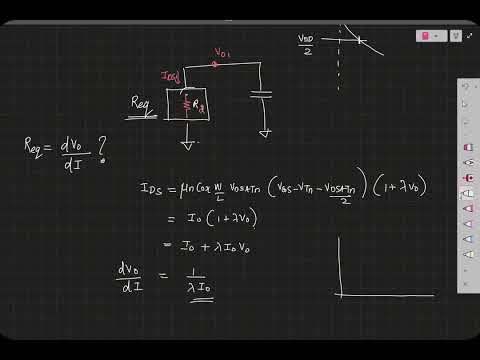


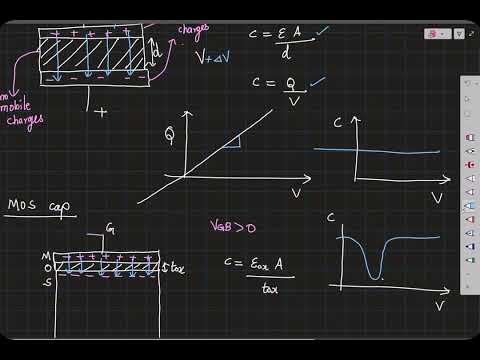


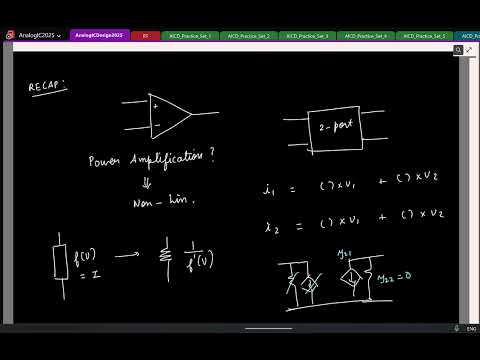

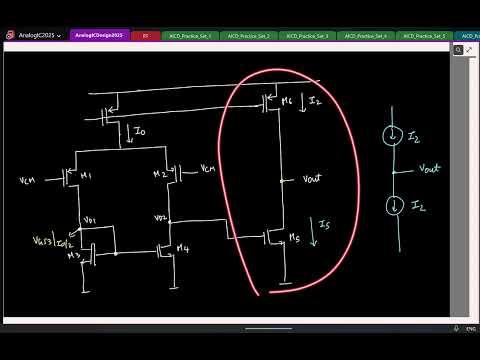


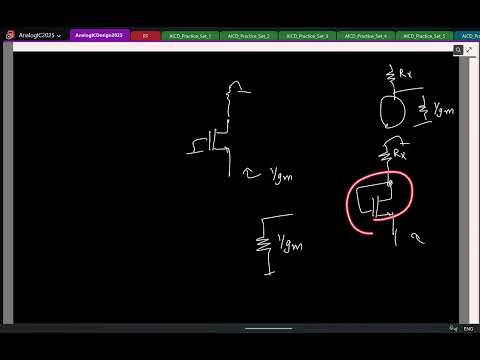


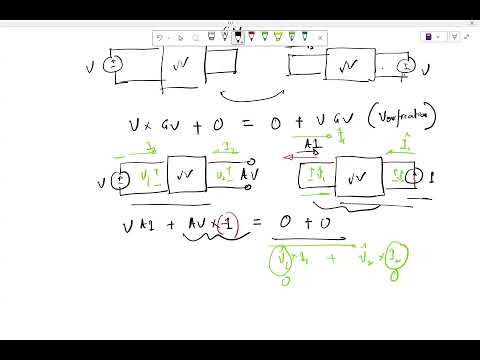


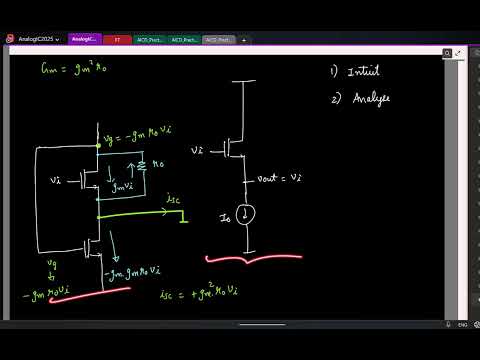


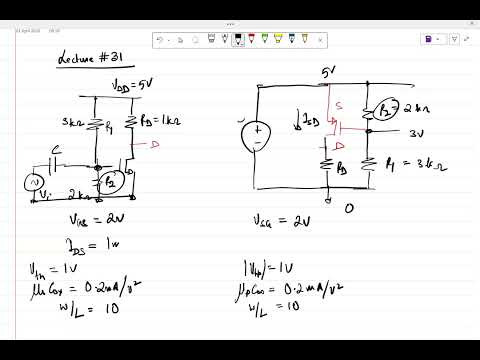
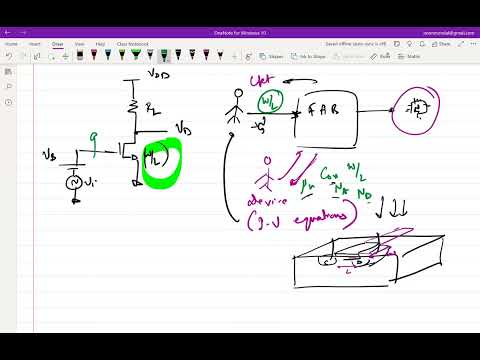
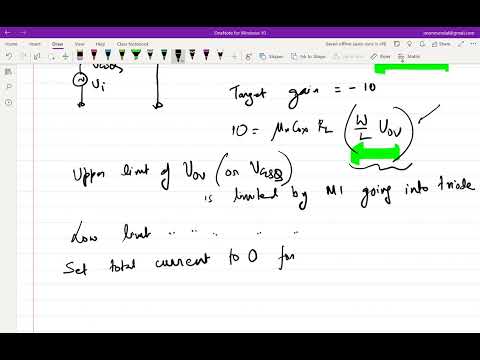
Lec 4(1): Biasing common-source amplifier with source feedback; pMOS common-source amplifier example


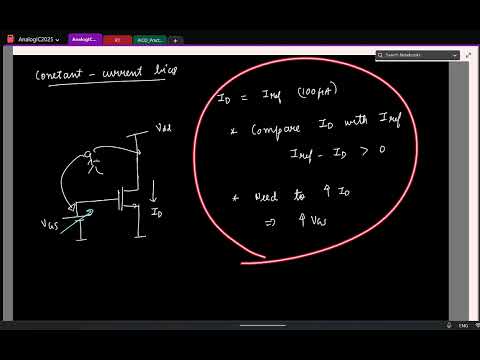

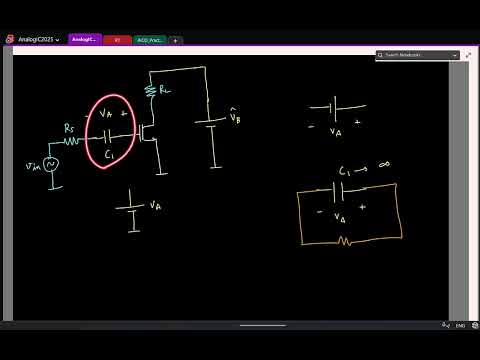






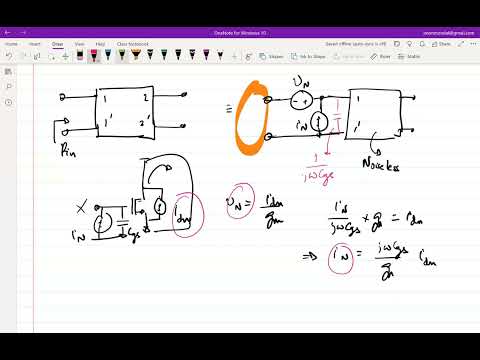

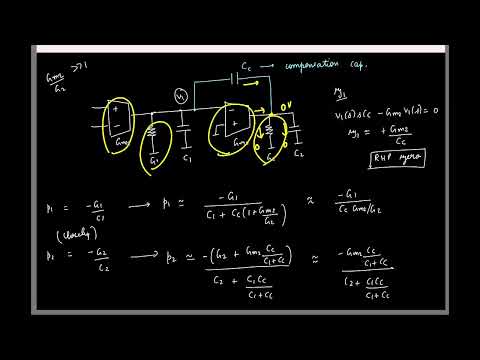
Lecture 19(2): Ahuja compensation: Pole locations; Intuition for complex poles in Ahuja compensation


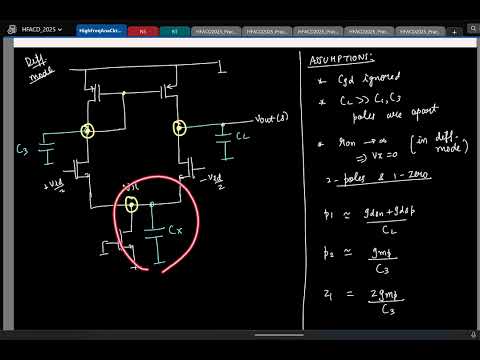

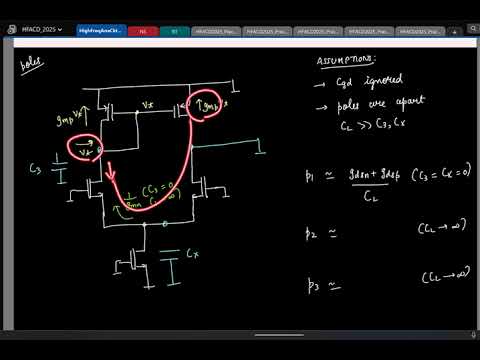


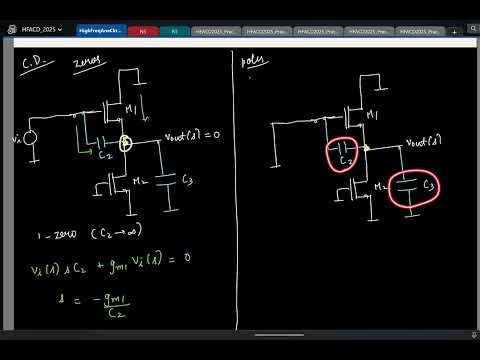


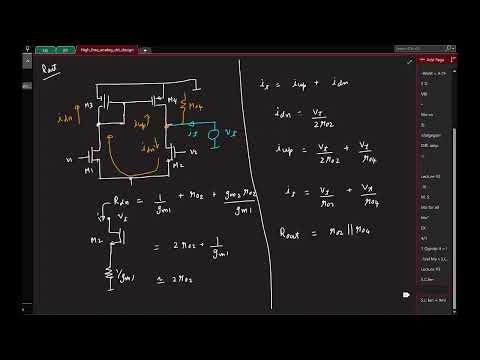
Lecture 9(2): Merits of folded-cascode: Input common-mode range, output range, unity feedback swings




Lecture 1: MOSFET recap: Strong inversion vs. weak inversion vs. linear region; Universality of VCCS


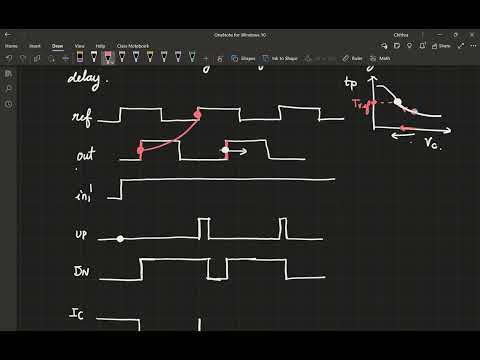
Lecture 18(1): Pipelined ADC: Redundancy to tackle sub-ADC error; Deriving 1.5 bit & M+0.5 bit stage


Lecture 16(2): Redundancy to solve incomplete DAC settling; Deriving condition for redundancy & eg.,


Lecture 14: Time-interleaved ADCs; Gain, timing & offset mismatch; Calibration to correct mismatches













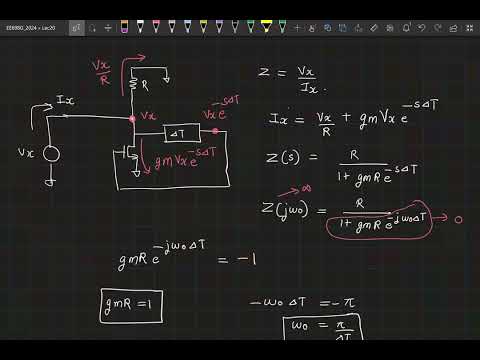


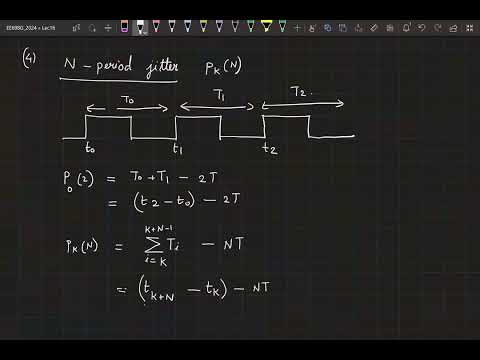


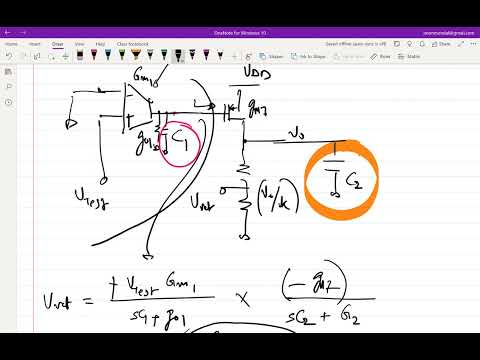

Lecture 39: Relating the damping factor of a second order closed loop system to phase margin of L(s)


Lecture 37: Constant-gm biasing: Deriving its multiple variants; Stability of constant-gm bias ckts.


Lecture 30: Noise in multi-stage & fully diff OTA; Impedance scaling for noise; Noise-power tradeoff

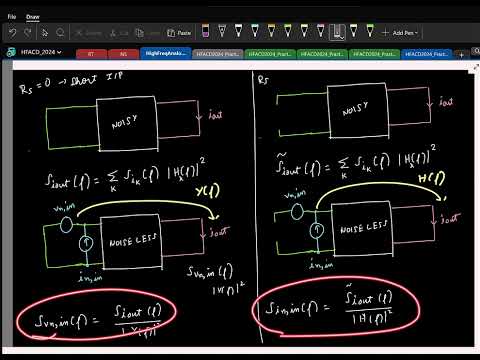


Lecture 27: Noise resistors & MOSFETs; Input ref. noise voltage & current in a linear 2-port network


Lecture 21(1): Differential signaling; Pow. supply rej. ratio PSRR; Pseudo & fully differential ckts


Lecture 20(2): 3-stage OTA; Nested Miller & Feedforward compensation; Effect of gate cap in res. F/B

Lecture 20(1): Recap: diff-amp, cascode; finding pole location by inspection; Frequency compensation


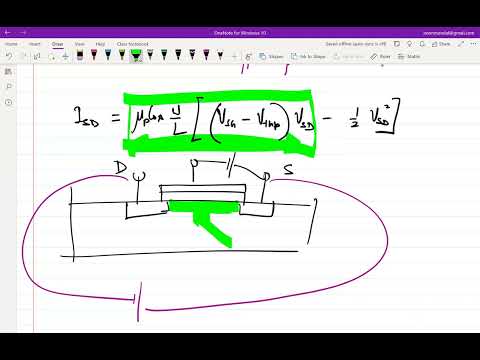


Lecture 15: Miller compensation; 2-stage Miller compensated OTA; Design choices; Dominant pole comp.


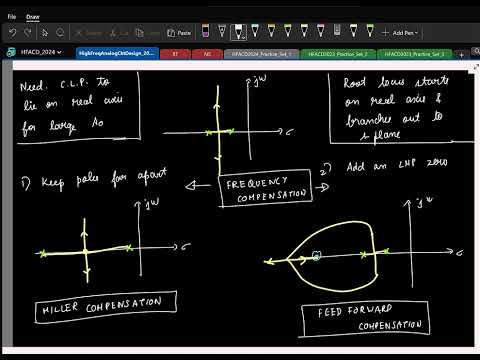




Lecture 12(2): Need for multi-stage OTAs; Unity-loop gain freq. & closed-loop BW in 1st order system


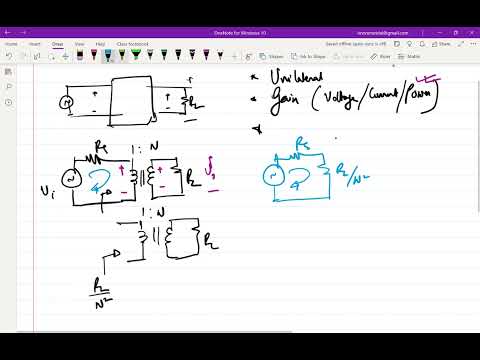


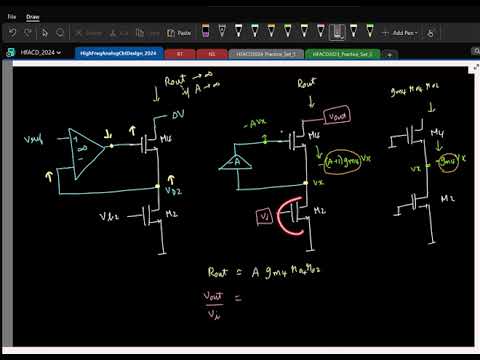


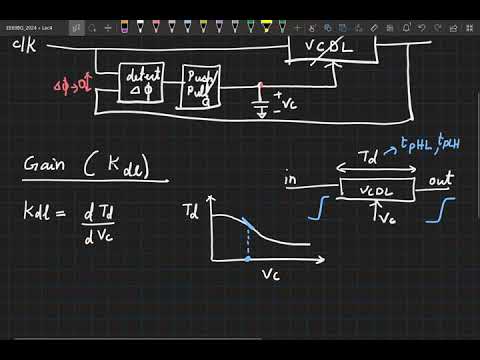

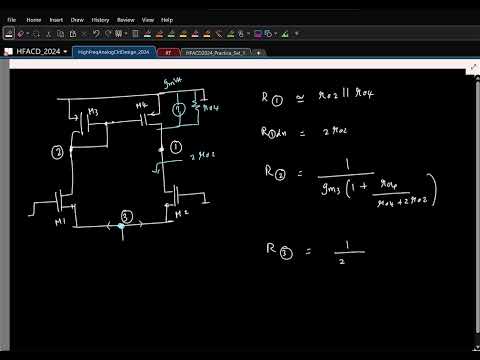


Lecture 24 (1): Motivation for Continuous time delta-sigma modulator (CTDSM): Implicit anti-aliasing


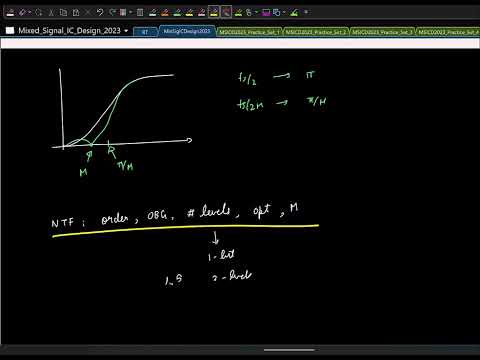


Lecture 21: Delta-sigma modulator: Higher order NTF; Maximum stable amplitude (MSA); Controlling OBG


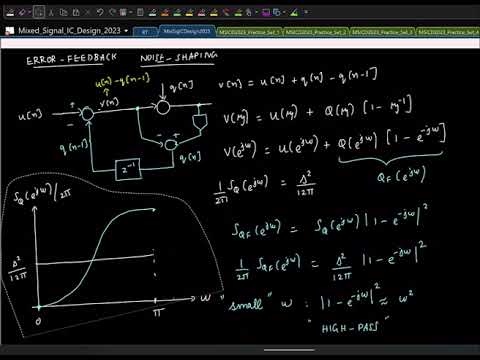
Lecture 20: Noise-shaping ADC: Deriving the Error-feedback structure; Intro to delta-sigma modulator


Lecture 19(2): Split ADC structure for digital calibration of pipelined ADCs & time-interleaved ADCs

Lecture 19(1): Pipelined ADC: Digital calibration: Using a PN dither & correlation; Gradient descent


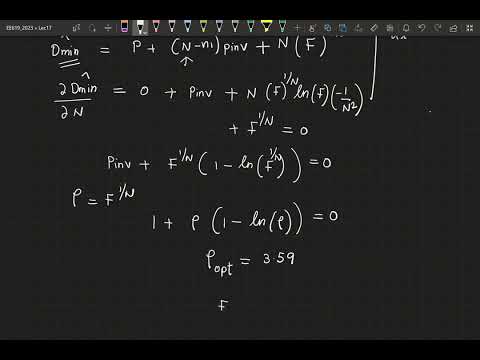

Lecture 18: Pipelined-Flash: Multiplying DAC(MDAC) non-idealities: gain error, non-lin; DAC non-lin.


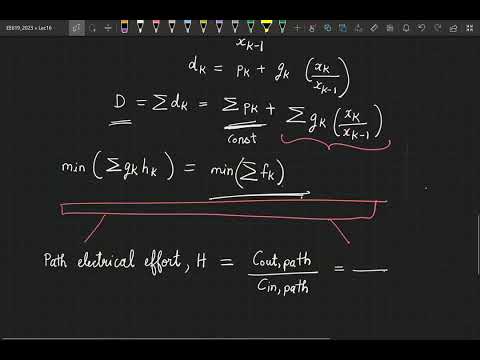


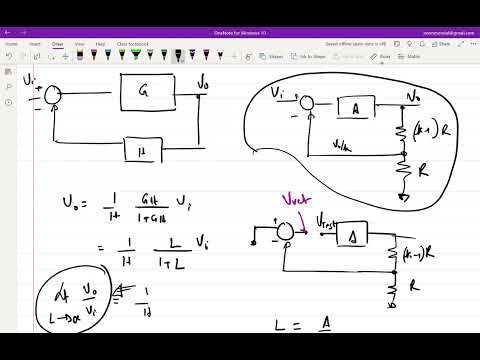
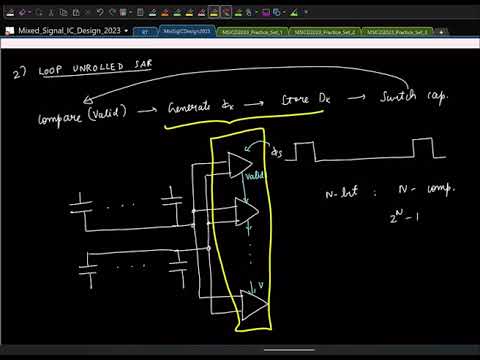


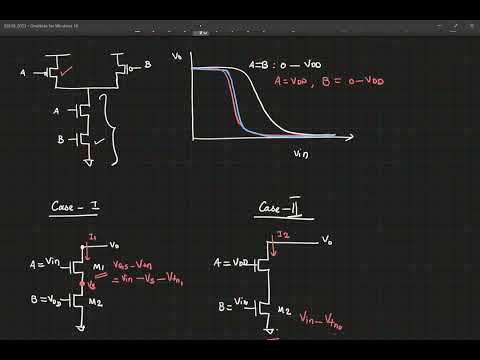


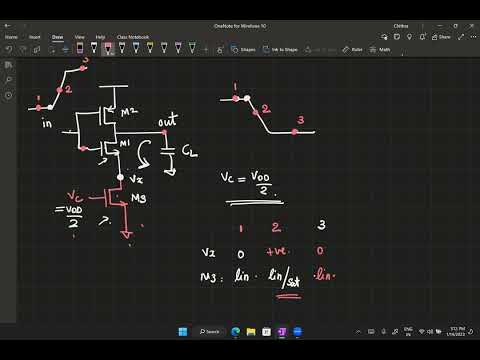
Lecture 12(1): Flash ADC summary; Common-mode rejection in floating inverter amp FIA & integ dyn amp

Lecture 12(2): Interpolating Flash ADC; Time interpolation in flash ADC; Some examples in literature

Lecture 11: Flash ADC: Ref. subtraction; Dynamic premp; Offset calibration; offset as ref. for flash


Lecture 9 (pt. 2):Noise in switched cap(SC) ckts with OTA; Mean-squared noise in SC ckts without OTA


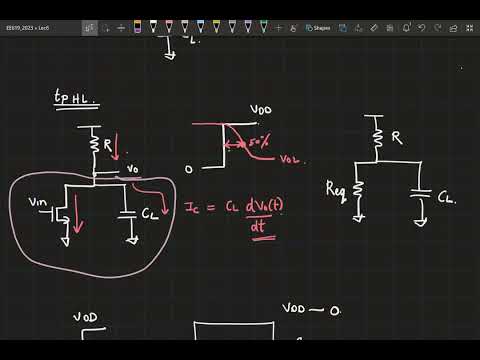
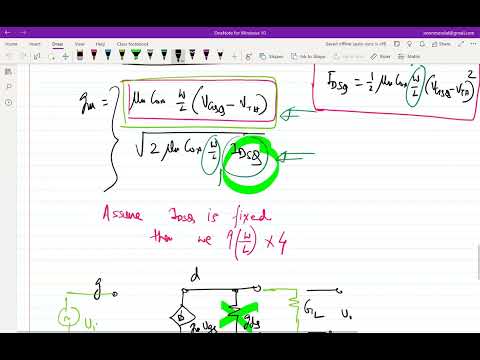


Lecture 7: Charge conservation: more examples; Switched capacitor integrators (delayed & delay-free)


Lecture 6 (pt 1): Charge injection, bottom plate sampling, deriving the switched-capacitor amplifier


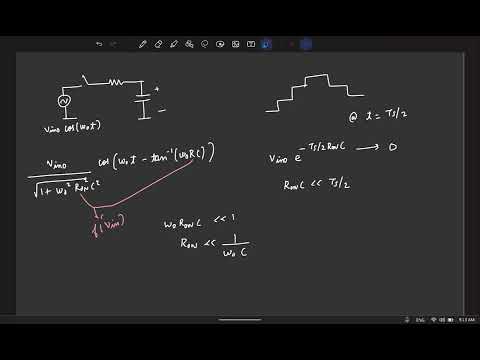


Lecture 4: Differential & Integral non-linearity (DNL, INL); MOS as switch; Effect of finite ON res.


An Automatic Leakage Compensation Technique for Capacitively Coupled Class-AB Operational Amplifiers


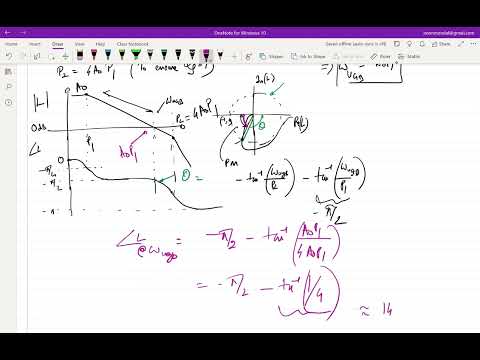


Lecture 35: The method of non-linear currents or current injection to analyze weakly non-linear ckts


Lecture 31: Input referred noise calc with eg.; Input referred noise of a MOSFET; noise in a cascode


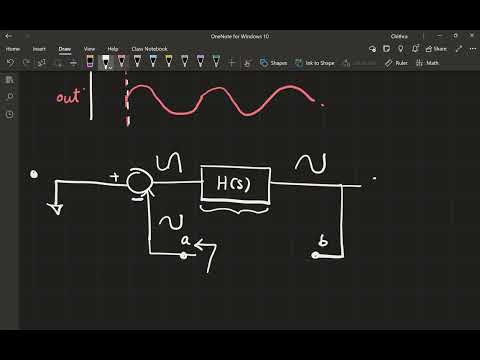


Lecture 26: 2-stage fully-diff. Miller OTA, CMFB choices; fully diff. 2-stage feedforward OTA & CMFB


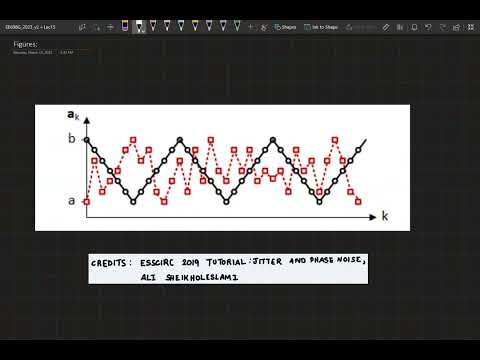




Lecture 24: Need for common-mode feedback (CMFB); CMFB variants using resistive common-mode detector



Lecture 20 (pt. 1): Dynamic preamplifiers; Improving flash ADC resolution: interpolation and folding




















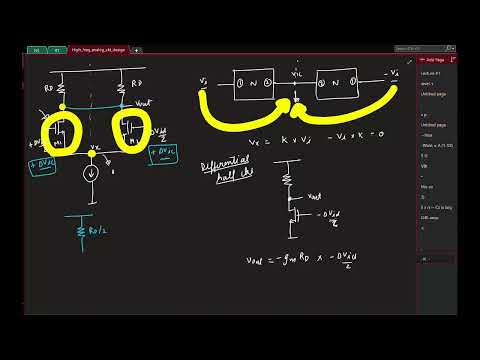


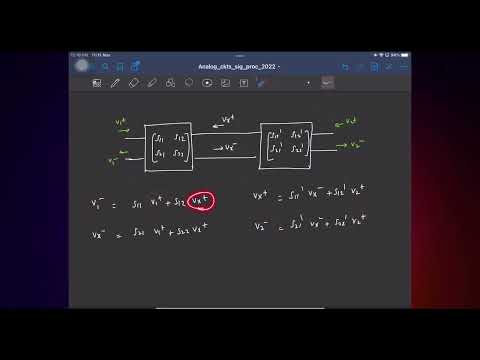
Lecture 24: S-parameters; Vector network analyzer; Stability in negative feedback systems with zeros


Lecture 22: Laplace transform based analysis of transmission line; input impedance; reflection coeff


Lecture 20: Inter-reciprocity eg. Chopping; LPTV network with sampled output; Noise in LPTV circuits

Lecture 19: Inter-reciprocity relation in time domain based on impulse response & signal flow graphs